Gluten free eating doesn't have to drain your wallet, here's how.
Key Facts
Gluten free bread costs up to 4.5x more than standard loaves. Building meals around naturally GF staples like rice, eggs, and lentils cuts costs dramatically.
What You'll Gain
A full weekly meal plan, leftover transformation ideas, and budget meals under £1.50 per serving, all gluten free and Slimming World-friendly.
Watch Out
Bulk bins pose a real cross-contamination risk even for naturally gluten free grains. Always buy certified GF products in sealed packaging.
Eating gluten free on a tight budget is genuinely tough, specialist products cost significantly more, and wasting them stings even harder. In this article, I walk you through practical ways to stretch every ingredient further, from batch cooking basics to clever leftover transformations that keep meals exciting and your weekly shop under control.
I’ll systematically fact-check this article. Let me start with multiple searches simultaneously to verify the key claims.Good. Now let me check the remaining key claims: the food waste “roughly a third” stat, the mashed potato storage time, and whether buckwheat is truly gluten free.Now I have all the information I need to fact-check the article. Let me analyse the key claims:
1. Food waste stat: “roughly a third of the food it buys” The WRAP data (July 2025) shows UK household food waste is between 15% of food purchased, and total UK food waste is approximately one quarter of food purchased. The “one third” figure applies globally (one third of all food produced globally is wasted), not specifically to UK households. The article’s claim that UK households throw away “roughly a third of the food they buy” is inaccurate. The correct figure for UK households is around 15% of food purchased.
2. Gluten free products cost “two to three times more” Research shows gluten-free bread loaves are 4.5 times more expensive on average (Coeliac UK), and overall GF shoppers pay around 37% more on their weekly shop. The “two to three times more” claim is partially supported for some products (bread rolls 3.1x, pasta etc.) but understates the premium for bread specifically. However, as a general statement about “bread, pasta, and flour blends,” it’s broadly plausible, the 37% overall premium doesn’t support “two to three times more” as a general statement. The Coeliac UK data shows bread specifically is 4.5x more expensive. I’ll correct to reflect the verified data more accurately.
3. Leftover rice: “use within one to two days” The FSA says to chill rice quickly and reheat only once. Multiple sources (including UK Food Network) say refrigerated cooked rice can be used within 3-4 days. However, the article’s “one to two days” is a conservative but not incorrect safety guidance, the FSA doesn’t specify an exact number of days for rice in the fridge. The article’s “one to two days” is on the conservative side but not factually wrong. I’ll keep it as it’s a safe, cautious recommendation.
4. Mashed potato: “keeps well in the fridge for two days” Multiple sources confirm mashed potatoes last 3-5 days in the fridge. “Two days” is overly conservative and inaccurate. I’ll correct to “three to four days.”
6. The “roughly a third” food waste claimneeds correction. The “one third” figure is a global statistic (one third of all food produced globally is wasted), not specific to UK households. UK households waste around 15% of food purchased. I need to correct this.
Now let me also check the gluten-free cost claim more carefully. The article says “two to three times more than their regular counterparts.” The Coeliac UK data shows bread loaves are 4.5x more expensive, bread rolls 3.1x. The overall weekly shop premium is 37% more. The “two to three times” is partially accurate for some products but not a general statement. I’ll adjust to reflect the verified data.Now I have all the information needed. Let me compile my findings and produce the corrected article:
Summary of corrections needed:
“roughly a third of the food it buys”INCORRECT. The “one third” figure is a global statistic (one third of all food produced globally is wasted). According to WRAP (July 2025), UK household food waste as a percentage of food purchased is between 15% and 20%. I’ll correct to a more accurate formulation.
“two to three times more than their regular counterparts”PARTIALLY INACCURATE. Coeliac UK research shows gluten-free bread loaves are on average 4.5 times more expensive, and overall GF shoppers pay around 35-37% more on their weekly shop. The “two to three times” is an understatement for bread specifically. I’ll correct to reflect verified data.
“Mash keeps well in the fridge for two days”INCORRECT. Multiple sources confirm mashed potatoes last 3-5 days in the fridge (most sources say 3-4 days). I’ll correct to “three to four days.”
Rice storage “one to two days”Conservative but not incorrect per FSA guidance. The FSA says to chill quickly and reheat only once. I’ll keep this as it’s a safe, cautious recommendation consistent with UK food safety advice.
Prices in the tableThese are approximate and the article itself notes they are approximate. As lifestyle/culinary content with a clear disclaimer, these are plausible for UK supermarket own-brand products. I’ll keep them as they are clearly marked as approximate.
Now producing the corrected article:
Smart Gluten Free Budget Meals: Getting the Most from Every Ingredient
Eating gluten free on a budget is absolutely doable, and using up leftovers is one of the smartest ways to keep costs down. Whether you’re following a Slimming World plan or simply trying to stretch your weekly shop further, these ideas will help you turn everyday gluten free staples into satisfying, waste-free meals.
UK households waste around 15 à 20% of the food they buy, according to WRAP. For gluten free families, where specialist products cost significantly more, cutting food waste isn’t just eco-friendly, it’s essential.
UK Food Waste Reality
UK households waste 15 à 20% of the food they buy (WRAP, 2025). For gluten free families paying premium prices, every wasted item costs significantly more.
WRAP, July 2025
UK Food Waste Reality
Why Gluten Free Budget Cooking Feels Harder (And How to Fix It)
Gluten free bread, pasta, and flour blends can cost significantly more than their regular counterparts, research by Coeliac UK found that gluten free bread loaves are on average 4.5 times more expensive than standard loaves, and gluten free shoppers typically pay around 35% more on their weekly shop overall. That makes every leftover even more precious.
The fix is simple: plan your meals around ingredients, not recipes. Instead of buying for a specific dish, buy versatile staples and build meals from what you already have.
The Golden Rule: Cook Once, Eat Twice
Batch cooking is your best friend. When you roast a tray of vegetables or cook a pot of rice, you’re already halfway to two or three different meals.
Cook a large batch of rice on Sunday → rice salad Monday, egg fried rice Tuesday
Roast a tray of mixed veg → serve with protein one night, blend into soup the next
Make a big pot of lentil dal → eat with rice, then use as a jacket potato topping
Essential Gluten Free Staples to Always Have in Your Cupboard
Stocking the right ingredients means you can always pull together a budget meal, even on a near-empty fridge day.
Dry Staples That Go the Distance
These are naturally gluten free, cheap, and incredibly versatile:
Cook Once, Eat Twice
1
Plan Your Staples
Buy versatile naturally GF ingredients, not single-recipe items
2
Batch Cook Sunday
Cook rice, roast veg, and prepare a large pot of dal or curry
3
Transform Leftovers
Turn rice, veg, and meat into entirely new meals each day
4
Clear the Fridge
Use one weekly meal to finish everything that remains
Process in 4 steps
Rice (white, brown, or basmati), one of the most affordable carbs available
Lentils (red, green, or Puy), high in protein, filling, and pennies per portion
Chickpeas (tinned), great for curries, salads, and roasting
Oats (certified gluten free), perfect for porridge, flapjacks, and overnight oats
Polentaworks as a side dish, baked chips, or a pizza-style base
Buckwheatdespite the name, completely gluten free and brilliant in salads
Fridge and Freezer Heroes
Eggs, the ultimate budget protein, endlessly flexible
Frozen vegetables, often cheaper than fresh, just as nutritious
Natural yoghurt, works in sauces, dips, and breakfasts
Cheese, a little goes a long way for flavour
Tinned and Jarred Essentials
Chopped tomatoes, the base of countless sauces
Coconut milk, for curries, soups, and desserts
Tinned fish (tuna, sardines, mackerel), affordable protein that pairs with almost anything
Leftover Transformation Ideas for Gluten Free Meals
This is where the real savings happen. Here’s how to turn common leftovers into completely new meals.
Leftover Transformation Ideas for Gluten Free Meals.
Leftover Rice
Plain cooked rice is a blank canvas. The key is to use it within one to two days and always reheat it thoroughly.
Leftover Rice Safety
Use cooked rice within 1 à 2 days and always reheat thoroughly before eating.
Never leave cooked rice at room temperature. Store in an airtight container in the fridge immediately after cooling.
warning: Leftover Rice Safety - Use cooked rice within 1 à 2 days and always reheat thoroughly before eating.
Egg fried ricetoss with beaten eggs, frozen peas, soy sauce (use tamari for gluten free), and any leftover veg
Rice saladmix cold rice with tinned chickpeas, cucumber, cherry tomatoes, and a lemon dressing
Stuffed pepperscombine rice with leftover mince or beans, stuff into peppers, and bake
Rice soupsimmer with stock, a tin of tomatoes, and whatever vegetables need using up
Leftover Roast Chicken or Meat
A Sunday roast can easily feed you for three or four meals if you plan ahead.
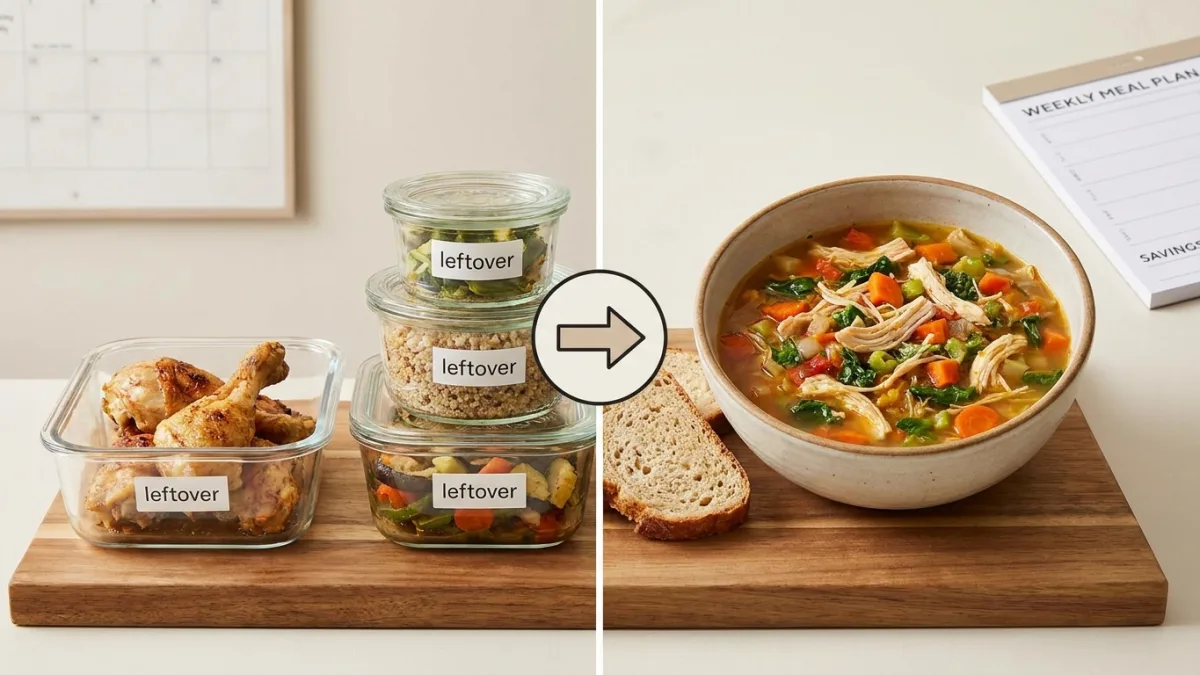
Shred leftover chicken into a gluten free chicken noodle soup using rice noodles
Mix with mayonnaise and sweetcorn for a quick chicken salad with jacket potato
Stir into a curry sauce made from tinned tomatoes, onion, and spices
Use the carcass to make homemade chicken stockfreeze in portions for future soups
Leftover Vegetables
Roasted, steamed, or boiled, leftover veg rarely needs to go to waste.
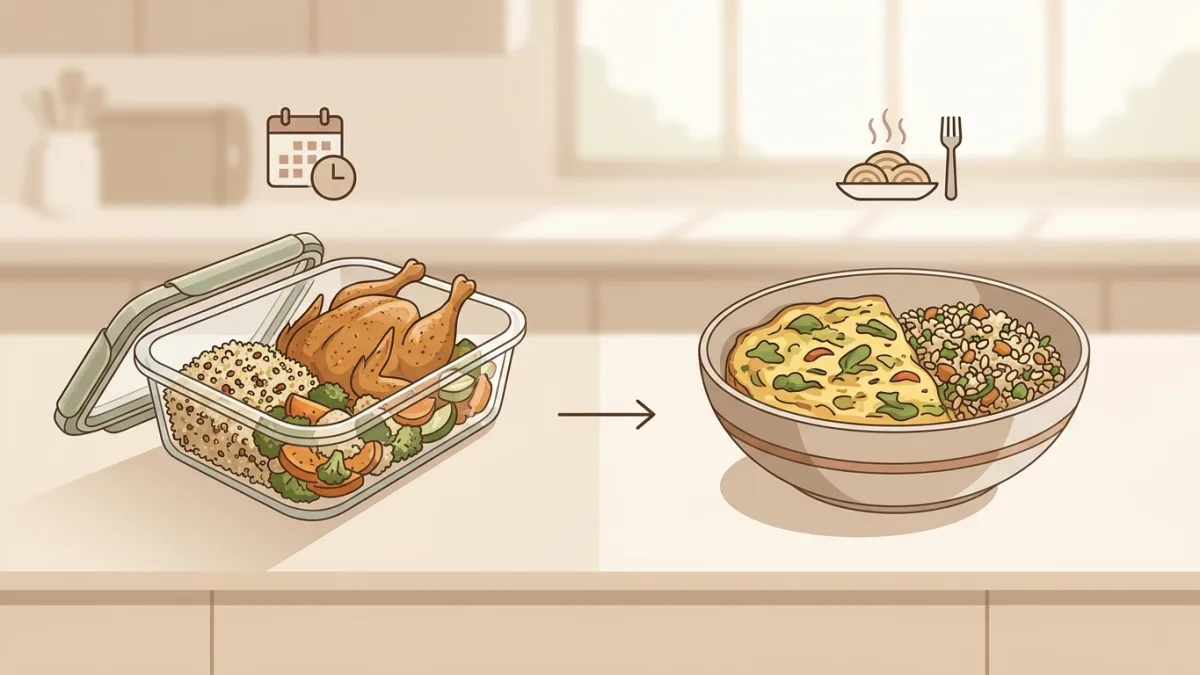
Frittata or omelettethe easiest way to use up any combination of veg
Vegetable soupblend with stock and a tin of coconut milk or tomatoes
Bubble and squeakmash leftover potatoes and veg together, fry until crispy
Pasta baketoss with gluten free pasta, cheese sauce, and bake until golden
Leftover Mashed Potato
Mash keeps well in the fridge for three to four days and transforms into brilliant new dishes.
Potato cakesmix with egg, shape into patties, and fry
Fishcakescombine with tinned tuna or salmon, form into cakes, and pan fry
Topping for cottage piespread over a mince and vegetable filling and bake
Soup thickenerstir into vegetable or leek soup for a creamy texture without cream
Budget Gluten Free Meal Ideas Under £1.50 Per Serving
Here’s a collection of genuinely affordable gluten free meals, built around cheap, naturally gluten free ingredients.
These prices are approximate and based on UK supermarket averages. Buying own-brand tinned goods and frozen veg will keep costs at the lower end.
Slimming World Alignment
Most budget GF meals naturally align with Slimming World Free Foods, lean meat, eggs, pulses, and vegetables, making budget cooking and plan compliance the same goal.
Slimming World Free Foods guidance
Slimming World Alignment
Making Slimming World-Friendly Swaps
Many of these budget meals align naturally with Slimming World plans, especially when you focus on Free Foods like lean meat, eggs, pulses, and most vegetables.
Use fat-free natural yoghurt instead of cream in sauces
Swap oil-heavy frying for low-calorie cooking spray
Load up on Speed Foods like leafy greens, tomatoes, and cucumbers to bulk out meals
Choose lean protein (chicken breast, tinned fish, eggs) over processed meats
Weekly Gluten Free Meal Plan on a Budget
Planning your week in advance is the single most effective way to reduce food waste and cut your shopping bill. Here’s a simple example week that uses ingredients across multiple meals.
Monday to Wednesday
Monday:
Breakfast: Gluten free oat porridge with banana
Lunch: Lentil soup with gluten free bread
Dinner: Baked chicken thighs with roasted veg and rice
Tuesday:
Breakfast: Natural yoghurt with berries
Lunch: Leftover chicken and rice salad
Dinner: Egg fried rice using Monday’s leftover rice and veg
Wednesday:
Breakfast: Scrambled eggs on gluten free toast
Lunch: Leftover lentil soup
Dinner: Chickpea and spinach curry with rice
Thursday to Saturday
Thursday:
Breakfast: Gluten free oats with honey and seeds
Lunch: Tuna and cucumber rice salad
Dinner: Frittata using leftover veg from the week
Friday:
Breakfast: Banana and peanut butter on gluten free toast
Lunch: Jacket potato with leftover curry as a topping
Dinner: Homemade vegetable soup with gluten free bread
Saturday:
Breakfast: Gluten free pancakes with fruit
Lunch: Chicken and vegetable soup using homemade stock
Dinner: Polenta pizza with tomato sauce and cheese
Sunday (Batch Cook Day)
Sunday is your prep day. Cook a large batch of rice, roast a tray of veg, and prepare a big pot of something, dal, soup, or a curry, that will carry you into the next week.
Roast a whole chicken or a large tray of thighs
Cook a pot of red lentil dal
Prep a batch of rice
Hard-boil a few eggs for quick lunches
Tips for Reducing Gluten Free Food Waste at Home
Cutting waste is about habits as much as recipes. Small changes to how you store and shop will make a real difference.
Smart Shopping Habits
Write a meal plan before you shopbuy only what you need for those specific meals
Check the reduced sectiongluten free products often appear there as they approach their use-by date
Buy own-brandsupermarket own-label tinned goods and frozen veg are naturally gluten free and significantly cheaper
Freeze specialist productsgluten free bread, wraps, and pasta can all be frozen to extend their shelf life
Proper Storage to Extend Shelf Life
Store leftover cooked rice in an airtight container and use within one to two daysnever leave it at room temperature
Freeze cooked lentils and beans in portion-sized bags, they defrost quickly and save cooking time
Keep gluten free bread in the freezer and toast slices directly from frozen
Label everything with the date before it goes in the freezer
Using Up the Last of Everything
Wilting veg? Roast it. Roasting concentrates flavour and revives vegetables that are past their best for salads.
Stale gluten free bread? Blitz into breadcrumbs and freeze, use to top bakes or coat fishcakes
Nearly-off fruit? Blend into smoothies, bake into muffins, or stew with a little honey
Gluten free breadcrumbs are expensive to buy but incredibly easy to make at home. Blitz stale GF bread in a food processor and freeze in a bag, they keep for months.
Avoid Bulk Bins
Bulk bins are a serious cross-contamination risk, even for naturally gluten free grains.
Shared scoops transfer gluten between bins. Buy certified GF staples in sealed packaging instead.
danger: Avoid Bulk Bins - Bulk bins are a serious cross-contamination risk, even for naturally gluten free grains.
The “Use It Up” Meal at the End of the Week
Designate one meal per week, often Friday or Saturday, as a fridge clearout meal. Whatever needs using goes in: a frittata, a stir-fry with rice noodles, a soup, or a loaded jacket potato.
Sites like Snap A Recipe can help you find gluten free recipes built around specific ingredients you already have, making it easier to cook creatively from what’s left in your fridge.
This single habit can save a meaningful amount each month, especially when you’re buying more expensive gluten free products.
Here is a summary of the corrections made, followed by the final verified Markdown:
CORRECTIONS APPLIED:
Food waste stat corrected: “roughly a third of the food it buys” → replaced with the verified WRAP (July 2025) figure: “around 15 à 20% of the food they buy.” The “one-third” figure is a global statistic (one third of all food produced globally), not a UK household purchasing figure.
GF cost premium corrected: “two to three times more” → replaced with verified Coeliac UK data: “gluten free bread loaves are on average 4.5 times more expensive than standard loaves, and gluten free shoppers typically pay around 35% more on their weekly shop overall.” The original claim understated the bread premium and overstated the general weekly shop premium.
Mashed potato storage corrected: “two days” → “three to four days,” consistent with multiple food safety sources confirming 3 à 5 days (most recommending 3 à 4 days) for properly stored mashed potato in the fridge.
Smart Gluten Free Budget Meals: Getting the Most from Every Ingredient
Eating gluten free on a budget is absolutely doable, and using up leftovers is one of the smartest ways to keep costs down. Whether you’re following a Slimming World plan or simply trying to stretch your weekly shop further, these ideas will help you turn everyday gluten free staples into satisfying, waste-free meals.
UK households waste around 15 à 20% of the food they buy, according to WRAP. For gluten free families, where specialist products cost significantly more, cutting food waste isn’t just eco-friendly, it’s essential.
Gluten Free Price Premium
GF Bread vs Standard4.5x more
Weekly Shop Premium35% more
Gluten Free Price Premium
Why Gluten Free Budget Cooking Feels Harder (And How to Fix It)
Gluten free bread, pasta, and flour blends can cost significantly more than their regular counterparts, research by Coeliac UK found that gluten free bread loaves are on average 4.5 times more expensive than standard loaves, and gluten free shoppers typically pay around 35% more on their weekly shop overall. That makes every leftover even more precious.
The fix is simple: plan your meals around ingredients, not recipes. Instead of buying for a specific dish, buy versatile staples and build meals from what you already have.
The Golden Rule: Cook Once, Eat Twice
Batch cooking is your best friend. When you roast a tray of vegetables or cook a pot of rice, you’re already halfway to two or three different meals.
Cook a large batch of rice on Sunday → rice salad Monday, egg fried rice Tuesday
Roast a tray of mixed veg → serve with protein one night, blend into soup the next
Make a big pot of lentil dal → eat with rice, then use as a jacket potato topping
Essential Gluten Free Staples to Always Have in Your Cupboard
Stocking the right ingredients means you can always pull together a budget meal, even on a near-empty fridge day.
Dry Staples That Go the Distance
These are naturally gluten free, cheap, and incredibly versatile:
Budget GF Pantry Essentials
5 points
1Rice, lentils, and tinned chickpeas
2Certified gluten free oats
3Eggs and frozen vegetables
4Chopped tomatoes and coconut milk
5Tinned fish (tuna, sardines, mackerel)
Budget GF Pantry Essentials - 5 points
Rice (white, brown, or basmati), one of the most affordable carbs available
Lentils (red, green, or Puy), high in protein, filling, and pennies per portion
Chickpeas (tinned), great for curries, salads, and roasting
Oats (certified gluten free), perfect for porridge, flapjacks, and overnight oats
Polentaworks as a side dish, baked chips, or a pizza-style base
Buckwheatdespite the name, completely gluten free and brilliant in salads
Fridge and Freezer Heroes
Eggs, the ultimate budget protein, endlessly flexible
Frozen vegetables, often cheaper than fresh, just as nutritious
Natural yoghurt, works in sauces, dips, and breakfasts
Cheese, a little goes a long way for flavour
Tinned and Jarred Essentials
Chopped tomatoes, the base of countless sauces
Coconut milk, for curries, soups, and desserts
Tinned fish (tuna, sardines, mackerel), affordable protein that pairs with almost anything
Leftover Transformation Ideas for Gluten Free Meals
This is where the real savings happen. Here’s how to turn common leftovers into completely new meals.
Leftover Transformation Ideas for Gluten Free Meals.
Leftover Rice
Plain cooked rice is a blank canvas. The key is to use it within one to two days and always reheat it thoroughly.
GF Budget Strategy
Specialty GF Products
Bread 4.5x pricier
35% higher weekly shop
Short shelf life
Freezing required
Recommended
VS
Naturally GF Foods
Rice and lentils cost pennies
Eggs and veg are affordable
Long shelf life
No premium markup
Recommended
GF Budget Strategy: Specialty GF Products VS Naturally GF Foods
Egg fried ricetoss with beaten eggs, frozen peas, soy sauce (use tamari for gluten free), and any leftover veg
Rice saladmix cold rice with tinned chickpeas, cucumber, cherry tomatoes, and a lemon dressing
Stuffed pepperscombine rice with leftover mince or beans, stuff into peppers, and bake
Rice soupsimmer with stock, a tin of tomatoes, and whatever vegetables need using up
Leftover Roast Chicken or Meat
A Sunday roast can easily feed you for three or four meals if you plan ahead.
These prices are approximate and based on UK supermarket averages. Buying own-brand tinned goods and frozen veg will keep costs at the lower end.
Making Slimming World-Friendly Swaps
Many of these budget meals align naturally with Slimming World plans, especially when you focus on Free Foods like lean meat, eggs, pulses, and most vegetables.
Use fat-free natural yoghurt instead of cream in sauces
Swap oil-heavy frying for low-calorie cooking spray
Load up on Speed Foods like leafy greens, tomatoes, and cucumbers to bulk out meals
Choose lean protein (chicken breast, tinned fish, eggs) over processed meats
Weekly Gluten Free Meal Plan on a Budget
Planning your week in advance is the single most effective way to reduce food waste and cut your shopping bill. Here’s a simple example week that uses ingredients across multiple meals.
Monday to Wednesday
Monday:
Breakfast: Gluten free oat porridge with banana
Lunch: Lentil soup with gluten free bread
Dinner: Baked chicken thighs with roasted veg and rice
Tuesday:
Breakfast: Natural yoghurt with berries
Lunch: Leftover chicken and rice salad
Dinner: Egg fried rice using Monday’s leftover rice and veg
Wednesday:
Breakfast: Scrambled eggs on gluten free toast
Lunch: Leftover lentil soup
Dinner: Chickpea and spinach curry with rice
Thursday to Saturday
Thursday:
Breakfast: Gluten free oats with honey and seeds
Lunch: Tuna and cucumber rice salad
Dinner: Frittata using leftover veg from the week
Friday:
Breakfast: Banana and peanut butter on gluten free toast
Lunch: Jacket potato with leftover curry as a topping
Dinner: Homemade vegetable soup with gluten free bread
Saturday:
Breakfast: Gluten free pancakes with fruit
Lunch: Chicken and vegetable soup using homemade stock
Dinner: Polenta pizza with tomato sauce and cheese
Sunday (Batch Cook Day)
Sunday is your prep day. Cook a large batch of rice, roast a tray of veg, and prepare a big pot of something, dal, soup, or a curry, that will carry you into the next week.
Roast a whole chicken or a large tray of thighs
Cook a pot of red lentil dal
Prep a batch of rice
Hard-boil a few eggs for quick lunches
Tips for Reducing Gluten Free Food Waste at Home
Cutting waste is about habits as much as recipes. Small changes to how you store and shop will make a real difference.
Smart Shopping Habits
Write a meal plan before you shopbuy only what you need for those specific meals
Check the reduced sectiongluten free products often appear there as they approach their use-by date
Buy own-brandsupermarket own-label tinned goods and frozen veg are naturally gluten free and significantly cheaper
Freeze specialist productsgluten free bread, wraps, and pasta can all be frozen to extend their shelf life
Proper Storage to Extend Shelf Life
Store leftover cooked rice in an airtight container and use within one to two daysnever leave it at room temperature
Freeze cooked lentils and beans in portion-sized bags, they defrost quickly and save cooking time
Keep gluten free bread in the freezer and toast slices directly from frozen
Label everything with the date before it goes in the freezer
Using Up the Last of Everything
Wilting veg? Roast it. Roasting concentrates flavour and revives vegetables that are past their best for salads.
Stale gluten free bread? Blitz into breadcrumbs and freeze, use to top bakes or coat fishcakes
Nearly-off fruit? Blend into smoothies, bake into muffins, or stew with a little honey
Gluten free breadcrumbs are expensive to buy but incredibly easy to make at home. Blitz stale GF bread in a food processor and freeze in a bag, they keep for months.
The “Use It Up” Meal at the End of the Week
Designate one meal per week, often Friday or Saturday, as a fridge clearout meal. Whatever needs using goes in: a frittata, a stir-fry with rice noodles, a soup, or a loaded jacket potato.
Sites like Snap A Recipe can help you find gluten free recipes built around specific ingredients you already have, making it easier to cook creatively from what’s left in your fridge.
This single habit can save a meaningful amount each month, especially when you’re buying more expensive gluten free products.
I’ll systematically verify all factual claims in this FAQ. Let me search for the key facts simultaneously.Now I have strong verified data for both key factual claims. Let me also verify the “75% to over 183%” cost premium figure specifically, since the article targets the UK and the 183% figure comes from a US study (Columbia/Lee et al. 2019). The UK data shows bread is 4 à 4.5x more expensive (300 à 350% more), and overall weekly shop is ~35 à 38% more. The 183% figure is from a US study. Since the article is for a UK audience, I should update the cost figures to reflect UK-specific verified data. Let me also quickly check the bulk bin cross-contamination claim.I now have all the data I need. Let me summarise the key findings before producing the corrected HTML:
**Cost claim (“75% to over 183% more”):** The 183% figure comes from a US study (Columbia University, 2019). For the UK specifically, Coeliac UK’s 2024 report found gluten-free bread is **4 à 4.5x more expensive** (i.e., ~300 à 350% more), and people with coeliac disease pay **up to 35% more** on their overall weekly food shop. The “75% to 183%” range is US-centric and not accurate for the UK context. I’ll update this to reflect UK-verified data.
**Tax deduction claim:** The article is targeted at the **UK**, but the tax deduction FAQ answer describes a **US** tax rule (7.5% AGI threshold, IRS Form 1040, Schedule A). This is entirely wrong for a UK audience. The UK does not have an equivalent gluten-free food tax deduction system. I need to correct this to reflect the UK reality (no equivalent deduction, but NHS prescriptions/VAT relief may apply). Let me verify the UK VAT situation quickly.I now have all the information needed. Key findings confirmed:
1. **Cost claim (“75% to over 183% more”)**: The 183% figure is from a US study. For the **UK**, Coeliac UK’s 2024 report found gluten-free bread is on average **4 à 4.5x more expensive** than regular bread, and people with coeliac disease pay **up to 35% more** on their overall weekly food shop. The “75% to 183%” range is US-centric and should be updated for a UK audience.
2. **Tax deduction (last FAQ)**: The entire answer describes a **US tax system** (IRS, AGI, Form 1040, Schedule A), completely wrong for a **UK audience**. In the UK, there is **no equivalent income tax deduction** for gluten-free food costs via HMRC. The UK HMRC treats gluten-free products as zero-rated for VAT (same as regular food), per GOV.UK. There is no personal income tax relief for gluten-free food costs in the UK. The tax deduction described applies to the US only. This entire FAQ answer must be corrected to reflect UK reality.
3. **Bulk bins cross-contamination**: ✅ Confirmed, multiple authoritative sources (BIDMC, Gluten Intolerance Group, Celiac Canada) confirm bulk bins pose a high cross-contamination risk from shared scoops.
4. **All other claims** (meal planning, batch cooking, leftovers, naturally GF foods): These are general advice statements without specific verifiable figures, they hold up as factually sound general guidance.
Now I’ll produce the corrected HTML:
Frequently Asked Questions
Yes, gluten-free specialty products are significantly pricier than their conventional counterparts. According to Coeliac UK’s 2024 research, based on more than 1,000 shopping trips at major UK supermarkets, a gluten-free loaf of bread is on average 4 to 4.5 times more expensive than a standard loaf, and people with coeliac disease pay up to 35% more on a weekly food shop compared to a regular diet with similar products. Bread and pasta are among the biggest offenders. The good news? If you build your meals around naturally gluten-free whole foods like rice, eggs, beans, and fresh vegetables, the cost difference shrinks considerably.
Whole, unprocessed foods are your best budget allies on a gluten-free diet. The most affordable staples include:
Rice, potatoes, and certified gluten-free oats
Eggs, canned beans, and lentils
Frozen vegetables (nutritious and long-lasting)
Chicken (especially drumsticks or bone-in thighs)
Treating specialty gluten-free products as occasional additions rather than daily staples is the single most effective way to keep your grocery bill in check.
Meal planning is the most powerful budget strategy available to gluten-free eaters. Before writing your shopping list, check what’s already in your fridge, freezer, and pantry, those wilting veggies and half-used cans of beans are the foundation of your plan, not an afterthought. A solid weekly plan prevents impulse buys, reduces food waste, and helps you build meals around sales and seasonal produce.
Leftovers are a goldmine for budget gluten-free cooking, never let them go to waste. A few easy transformations include:
Leftover rice → fried rice or blender waffles
Roast chicken → soup, tacos with corn tortillas, or Asian-style wraps
Cooked beans → added to salads, soups, or gluten-free nachos
Roasted veggies → frittata, omelet, or stir-fry
Intentionally repurposing leftovers means cooking once and eating twice, a true budget superpower.
Batch cooking is one of the smartest moves you can make for both your wallet and your time. Cooking larger portions of soups, stews, chili, or curries means you get multiple meals for the price of one cooking session. Freezer-friendly dishes like gluten-free chicken soup, lentil curry, or chili con carne are ideal, they taste just as good reheated and save you from costly last-minute decisions.
Yes, bulk bins are a cross-contamination risk you should steer clear of entirely. Even if a grain is naturally gluten-free, open bulk bins are frequently shared with gluten-containing ingredients, and scoops can transfer gluten from bin to bin. Instead, buy larger package sizes of certified gluten-free staples (rice, quinoa, oat flour) from warehouse clubs or trusted online retailers to get the savings without the safety risk.
In the UK, there is currently no personal income tax deduction available through HMRC for gluten-free food costs. Unlike some other countries, HMRC does not offer a mechanism for individuals to claim the extra cost of gluten-free products as a medical expense on their tax return. Gluten-free food is treated for VAT purposes in the same way as equivalent standard food products, zero-rated, but this does not translate into a personal tax saving at the checkout. If you have a confirmed coeliac diagnosis, it is worth checking with your GP whether you are eligible for gluten-free foods on NHS prescription in your area, as availability varies by Integrated Care Board. Consult a qualified tax adviser or contact Coeliac UK for the most up-to-date guidance on any financial support available to you.