
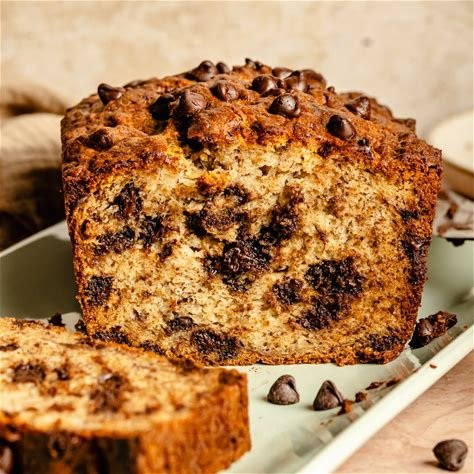
Gluten-Free Banana Bread with Almond Flour: Moist, Easy, and Foolproof
Introduction: The Banana Bread That Changed My Gluten-Free Baking Forever
If you’ve ever tried baking gluten-free banana bread and ended up with something dry, crumbly, or dense enough to use as a paperweight — you’re not alone. I’ve been there, too. When I first started my gluten-free baking journey, banana bread was my biggest frustration. Every batch seemed to be missing something… until I discovered the magic of almond flour.
This recipe for gluten-free banana bread with almond flour is the one I now make weekly — not just because it’s delicious, but because it’s the closest thing to the real deal. It’s moist, naturally sweet, rich in flavor, and has that perfect golden crust that makes your kitchen smell like heaven.
By the end of this post, you’ll not only have a foolproof recipe but also learn a few insider tips for baking gluten-free bread that tastes like it came from a bakery.
Why Almond Flour is a Game-Changer for Gluten-Free Baking
Let’s start with the star of the show: almond flour.
Unlike traditional wheat flour, almond flour is made from finely ground blanched almonds. It’s naturally gluten-free, grain-free, and adds a subtle nutty flavor that pairs beautifully with bananas. But what really makes it shine is its ability to create a moist, tender crumb — something many gluten-free recipes struggle with.
When I switched from gluten-free all-purpose flour blends to almond flour, I immediately noticed the difference. The banana bread stayed moist for days, didn’t crumble apart, and had that rich, bakery-style texture.
A quick tip: Use superfine almond flour (not almond meal). Almond meal includes the almond skins and gives a coarser, denser result. Superfine almond flour creates that soft, cake-like texture you’ll love.
The Secret to Perfect Gluten-Free Banana Bread with Almond Flour
After dozens of test batches, here’s what I learned: success in gluten-free baking comes down to balance — moisture, binding, and flavor. Almond flour provides healthy fats and richness, but it needs a few supporting ingredients to hold everything together.
Here’s the formula I swear by:
- Ripe bananas: The blacker, the better. Overripe bananas add sweetness and structure.
- Eggs: Act as the binder since there’s no gluten. They also add lift.
- A touch of tapioca or arrowroot flour: Helps give a slightly springy, bread-like texture.
- Fat (coconut oil or butter): Keeps the loaf moist and flavorful.
- A hint of acidity (apple cider vinegar or lemon juice): Reacts with baking soda to give that beautiful rise.
This combination creates a loaf that’s fluffy, not dense — tender without being crumbly.
Step-by-Step: My Go-To Recipe
Ingredients
Dry Ingredients:
- 2 cups superfine almond flour
- 2 tbsp tapioca or arrowroot starch (optional but recommended)
- 1 tsp baking soda
- ½ tsp cinnamon
- ¼ tsp salt
Wet Ingredients:
- 3 large ripe bananas, mashed
- 3 large eggs
- ¼ cup melted coconut oil (or butter if you prefer)
- 2 tbsp maple syrup or honey
- 1 tsp apple cider vinegar
- 1 tsp vanilla extract
Optional add-ins:
- ½ cup chopped walnuts or pecans
- ½ cup dark chocolate chips
- A sprinkle of cinnamon sugar for topping
Instructions
- Preheat your oven to 175°C (350°F). Line a loaf pan with parchment paper.
- In one bowl, whisk together the dry ingredients: almond flour, starch, baking soda, cinnamon, and salt.
- In another bowl, mash the bananas, then whisk in eggs, coconut oil, maple syrup, vinegar, and vanilla.
- Combine the wet and dry ingredients until just mixed — don’t overdo it. Stir in any add-ins you like.
- Pour the batter into your loaf pan, smoothing the top.
- Bake for 45–55 minutes, or until a toothpick inserted in the center comes out clean.
- Cool completely before slicing (this step matters — gluten-free bread firms up as it cools).
Every time I bake this loaf, I can’t resist cutting a slice while it’s still warm. The crust is slightly crisp, the inside is soft and fragrant, and it’s just sweet enough without feeling like cake.
Variations: Make It Your Own
The beauty of this recipe is how versatile it is. Once you have the base down, you can experiment endlessly. Here are a few of my favorite twists:
1. Chocolate Chip Banana Bread
Fold in half a cup of dark or semi-sweet chocolate chips for a dessert-like version.
2. Nutty Crunch
Add chopped pecans or walnuts for texture and a toasty flavor contrast.
3. Blueberry Banana Bread
Toss in a handful of fresh or frozen blueberries for a burst of juicy sweetness.
4. Coconut Banana Bread
Swap half the almond flour for coconut flour and add shredded coconut. Note: coconut flour absorbs more moisture, so add an extra egg.
5. Mini Loaves or Muffins
Perfect for portion control or gifting! Just reduce the baking time to 20–25 minutes.
Pro Tips for Gluten-Free Baking Success
After years of baking gluten-free, here are some hard-earned lessons that make a world of difference:
- Measure accurately. Almond flour can vary by brand, and using too much will make your bread dense. Always spoon and level it into the measuring cup.
- Don’t overmix. Almond flour doesn’t need heavy mixing — it’ll lose its lightness.
- Use ripe bananas. Those spotty, overripe ones are your best friends here. They add sweetness and moisture.
- Cool completely before slicing. I know it’s hard to wait, but the structure needs to set.
- Store smart. Keep your loaf wrapped at room temperature for up to 3 days, or refrigerate for up to a week. It also freezes beautifully — just slice and wrap individual pieces.
Why You’ll Love This Recipe (Even If You’re Not Gluten-Free)
The best part about this gluten-free banana bread with almond flour? You’d never guess it’s gluten-free. I’ve served it to friends who don’t follow a special diet, and they’ve always asked for seconds.
It’s naturally grain-free, dairy-free (if you use coconut oil), and refined sugar-free if you sweeten it with maple syrup. Yet it tastes indulgent — soft, rich, and perfectly sweet.
Plus, it’s packed with healthy fats and protein from almonds, so it keeps you full longer than typical banana bread. It’s the perfect breakfast, snack, or guilt-free dessert.
Common Mistakes to Avoid
Even seasoned bakers can slip up when it comes to gluten-free recipes. Here’s how to avoid the most common pitfalls:
- Using the wrong flour: Almond meal ≠ almond flour. The texture difference is huge.
- Skipping the acid: The small amount of apple cider vinegar helps your loaf rise and prevents it from being dense.
- Not greasing your pan properly: Almond flour tends to stick more than wheat flour. Use parchment paper for easy removal.
- Opening the oven too soon: Gluten-free breads are sensitive. Wait at least 45 minutes before checking.
Conclusion: Your New Go-To Banana Bread Recipe
If you’re looking for a gluten-free banana bread with almond flour that’s simple, wholesome, and tastes just like the classic — this is it. It’s the recipe I turn to when I want something comforting yet healthy, and it never fails to impress.
So next time your bananas start to brown on the counter, don’t toss them — transform them into something amazing. Grab your almond flour, preheat the oven, and enjoy the rich, comforting aroma that fills your kitchen.
If you try this recipe, I’d love to hear how it turns out! Leave a comment, tag your photo with #SnapARecipe, or share it on Instagram so I can see your delicious creations.
If You want 100 More Gluten Free Recipes that can be cooked in under 30-mins try
The Gluten Free Equation Recipe Cookbook Here
FAQs About Gluten-Free Banana Bread with Almond Flour
1. Can I make this recipe vegan?
Yes! Replace the eggs with flax eggs (1 tbsp ground flax + 3 tbsp water per egg). The texture will be slightly denser but still delicious.
2. Is almond flour the same as almond meal?
No — almond flour is made from blanched almonds (skins removed) and is finely ground. Almond meal includes the skins and gives a coarser texture.
3. Can I freeze gluten-free banana bread?
Absolutely. Slice it first, wrap each piece in parchment, and store in a freezer-safe bag for up to 3 months.
4. Why did my banana bread sink in the middle?
That usually happens if it’s underbaked or too much banana was used. Check with a toothpick before removing it from the oven.
5. Can I use store-bought gluten-free flour instead of almond flour?
You can, but the texture and flavor will change. Almond flour gives a richer, moister loaf compared to most gluten-free blends.