Dairy-Free Gluten-Free Recipes: 15 Allergy-Safe Meals Ready in 30 Minutes
Dairy-Free Gluten-Free Recipes: 15 Allergy-Safe Meals Ready in 30 Minutes
For those managing food allergies or intolerances, the daily search for meals that avoid triggering symptoms yet still deliver satisfying flavor is often a constant challenge, especially when time is tight. Combine that with a packed calendar, and it’s clear why quick, allergy-conscious cooking is gaining traction. The real advantage is that vibrant, wholesome dishes free from dairy and gluten can often be prepared in under half an hour, while still recreating much of the texture and taste people miss from familiar recipes.
This guide presents 15 fast recipes suited to busy households, explores emerging trends in allergen-safe cooking, offers practical tips like strategic ingredient substitutions, and includes strategies for keeping shared kitchen spaces safer for everyone at the table.
Why Quick Allergy-Friendly Cooking Matters
Future Market Insights reports that North America currently dominates demand for quick-prep, allergen-free meals, particularly in households where children face multiple food allergies, a situation that often turns everyday cooking into a complex puzzle. The global gluten-free products market alone is expected to rise from USD 7.75 billion in 2024 to USD 13.67 billion by 2030, reflecting a CAGR of roughly 10%.
| Market Segment | Value | Projected Growth |
|---|---|---|
| Gluten-Free Products | $7.75B (2024) | $13.67B by 2030 |
| Gluten-Free Share of Allergen-Free Market | 38% | Steady Increase |
These figures suggest allergy-conscious cooking has shifted from a specialty choice to a routine priority for many families. For those managing celiac disease or lactose intolerance, quick meal options can be as much about sustaining balanced nutrition as they are about convenience. Where multiple allergens must be avoided, preparing a safe, shared dinner in under half an hour often means one cohesive mealtime instead of fragmented, separate plates. That efficiency can free up evenings for meeting project deadlines, collecting kids from activities, or simply taking a moment to recharge, making fast, allergy-friendly cooking a practical cornerstone of everyday wellbeing.
Ingredient Essentials for Dairy-Free Gluten-Free Cooking
A well-chosen pantry often sets the stage for safe, efficient cooking, especially when both dairy and gluten are off the table. Naturally gluten-free grains, quinoa, buckwheat, rice, and amaranth, remain dependable staples, with quinoa often proving versatile for both salads and breakfast bowls. Legume flours such as chickpea or lentil not only add protein but usually cut cooking time since they tend to cook faster. For dairy-free richness, oat milk, coconut milk, almond-based cheeses, and cashew cream deliver smooth, indulgent textures without triggering common allergens, making them practical and flavorful alternatives.
We’re seeing a massive shift toward recipes that use naturally allergen-free ingredients like coconut milk, almond flour, and quinoa, because they’re safe, nutritious, and quick to prepare.— Dr. William Silvers, Austin Allergist Blog
These ingredient swaps remove allergens while bringing added nutrition. Quinoa’s complete protein profile and almond flour’s healthy fats with vitamin E are notable benefits. Stocking canned legumes, gluten-free pasta, non-dairy yogurt, and a couple of versatile shelf-stable sauces is a useful habit, you will find they simplify meal prep. Frozen vegetables or pre-washed greens can be genuine time-savers. Even on busy days, these basics make it realistic to assemble a wholesome dish. By leaning on naturally allergen-free staples, cooks often avoid over-processed substitutes, keeping recipes both nourishing and straightforward.
Quick-Cooking Staples to Keep on Hand
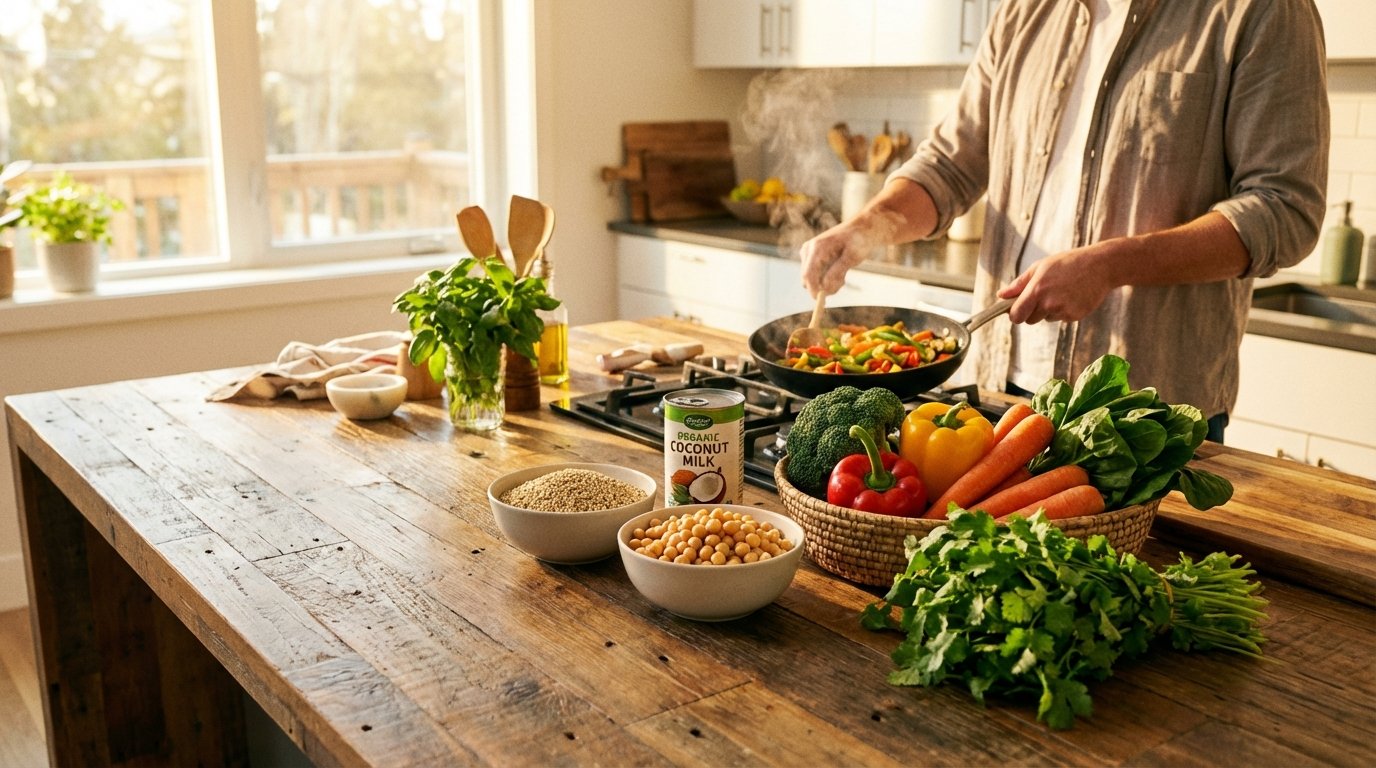
- Quinoa, ready in roughly 15 minutes, ideal when constant stirring isn’t on the agenda
- Canned chickpeas, fully cooked and packed with plant-based protein
- Coconut milk, brings instant creaminess and a deep flavor lift
- Frozen vegetables, minimize chopping and help prevent waste from unused fresh produce
- Almond flour, versatile for baking or coating, especially when aiming for a nutty crust texture
:::callout{type=“tip” title=“Stock Your Pantry for Speed and Safety”}
Frozen vegetables are often the fastest way to add color and nutrients when time is tight, while quinoa reliably pairs with most proteins and fresh or frozen greens. Chickpeas deliver protein in moments, and coconut milk can quickly transform a basic broth into something rich and smooth. Almond flour offers a quick route to crisp coatings or short-bake treats. One useful approach is to keep these staples visible, meal ideas tend to come faster. Visit https://snap-a-recipe.com/ for dairy-free, gluten-free ways to combine them into stress-free dishes.
:::
15 Allergy-Safe Meals Ready in 30 Minutes
This selection of allergy-conscious meals is designed for speed and flavor, balancing convenience with care in ingredient choice. They’re crafted so that preparing a safe, satisfying dish doesn’t require hours at the stove, especially helpful when hunger is already calling.
- Quinoa Veggie Stir-Fry, Light, fluffy quinoa paired with vibrant vegetables and coconut aminos for a savory touch.
- Chickpea Curry, A smooth coconut milk base enriched with chickpeas and a blend of warming spices.
- Zucchini Noodles with Pesto, Dairy-free pesto from basil, olive oil, walnuts, and a hint of garlic for freshness.
- Sweet Potato Black Bean Tacos, Corn tortillas filled with roasted sweet potato, black beans, and a squeeze of lime.
- Thai Coconut Soup, Coconut milk simmered with mushrooms, lime juice, and fragrant herbs for a soothing bowl.
- Buckwheat Pancakes, A nutty, hearty stack from almond flour and buckwheat, ideal for a quick breakfast.
- Lentil Sloppy Joes, Lentils in rich tomato sauce, served on gluten-free buns for a familiar comfort dish.
- Cauliflower Fried Rice, Riced cauliflower sautéed with vegetables and tamari for a lighter take on a classic.
- Sheet-Pan Salmon & Veggies, Salmon roasted with carrots, zucchini, and peppers, simply seasoned with olive oil and herbs.
- Stuffed Bell Peppers, Quinoa, beans, and tomato nestled inside roasted peppers.
- Mediterranean Chickpea Salad, Crisp cucumber, tomato, and onion with a lemon-tahini drizzle.
- Coconut Yogurt Parfait, Layers of coconut yogurt, gluten-free granola, and fresh berries.
- Tofu Stir-Fry, Tofu seared alongside vegetables in tamari sauce for balanced flavor.
- Rice Paper Veggie Rolls, Crunchy vegetables and herbs wrapped, served with tangy dipping sauce.
- Polenta with Mushroom Ragu, Creamy polenta crowned with olive oil-sautéed mushrooms.
Often, efficiency in cooking comes from preparation rather than speed during the process. Leftover quinoa, for example, turns the stir-fry into a near-instant meal, while pre-chopped vegetables or ready spice blends can cut prep time significantly. With options spanning breakfast to dinner, these dishes adapt easily to varied tastes and dietary needs. Each one reliably fits within the 30-minute mark, delivering a complete meal without the stress of a drawn-out kitchen session.
Preventing Cross-Contamination
Even with ingredients sourced from trusted suppliers, the risk of allergic reactions remains if cross-contamination occurs. A practical safeguard is to maintain a dedicated set of cutting boards, utensils, cookware, and storage containers exclusively for allergen-free dishes, space demands may increase, but the reduced risk is often worth it. You will find that closely reviewing product labels, particularly those subtle ‘may contain’ notes, helps catch potential hazards before they reach the plate.
One useful approach is to map out distinct kitchen zones, such as reserving the left counter for gluten-free prep and storing wheat-based products on the highest pantry shelf. Color-coded or clearly marked containers reduce the chance of using the wrong ingredient. Consider handwashing thoroughly between tasks and using separate cloths or robust sanitizers for surfaces and tools. Consistent routines like these usually do more than any single precaution to protect allergic guests and show genuine care in meal preparation.
:::callout{type=“tip” title=“Create a Cross-Contamination-Free Kitchen”}
Once you understand prevention methods, you can integrate them into recipe workflows built for allergen safety at https://snap-a-recipe.com/. Their step-by-step guides make it easy to fold safety measures right into routine cooking.
:::
Trends to Watch in 2026
Ancient grains such as teff, sorghum, and amaranth are drawing steady interest for their impressive nutrient profiles and the convenience of cooking in under 20 minutes, an advantage often appreciated on hectic evenings. They’re appearing well beyond their usual culinary roles, turning up in wraps, breakfast bowls, and even sweet treats like cookies. Plant-based dairy alternatives, ranging from silky cashew cream to full-bodied oat milk, are increasingly incorporated into sauces, soups, and indulgent desserts. Kitchen tech is evolving too; AI tools can now identify potential allergens in a recipe before any ingredients hit the cart, which many cooks find remarkably useful.
| Trend | Ingredient | Benefit |
|---|---|---|
| Ancient Grains | Teff, Sorghum | Nutrient-rich, quick cooking |
| Dairy Alternatives | Cashew Cream, Oat Milk | Creamy texture without allergens |
| AI Safety Tools | Recipe Scanners | Identify allergens instantly |
By 2026, fusion-inspired cooking will often weave these grains into everyday menus, mixing global seasonings with allergen-conscious techniques. Ingredient labels are expected to become more readable, reducing the need for magnifying glasses at the store. AI-driven shopping apps may recommend safe swaps instantly while browsing. Meanwhile, new plant-based cheeses are nearing dairy-level melt and stretch, making allergen-free favourites, like mac and cheese or pizza, not just possible, but faster and genuinely satisfying to prepare.
Building Confidence in Allergy-Friendly Cooking
Cooking without dairy or gluten often opens the door to new tastes you might otherwise overlook, those items you’d usually skip in the store can become the stars of your meals. Begin with dependable pantry staples, then branch out into techniques such as sheet-pan roasting, quick sautés, or slow simmering to create variety. Safety, particularly when preparing food for someone with severe allergies, should usually be considered as important as flavor, and practical steps to avoid cross-contamination help ensure both.
A kitchen can serve as a safe and inviting space where experimenting feels rewarding. Keeping a few reliable recipes, like a rich lentil stew, vibrant veggie stir-fry, or roasted chickpea salad, makes it easier to cook with confidence while maintaining variety. Over time, you’ll often become more adept at identifying hidden allergens and adjusting meals to suit different needs. Exploring spices such as Middle Eastern za’atar, Thai curry paste, or smoky Spanish paprika shows how allergen-free cooking can be vivid, bold, and deeply satisfying.
Making It Work for You
We’ve already covered the essentials, market growth, key ingredients, 15 quick recipes, smart practices to avoid cross-contamination, plus a few emerging trends worth noting. Now comes the step of applying that knowledge in your own kitchen. One useful approach is to choose four or five recipes for the week, ensure your pantry is stocked with dependable staples like gluten-free flour, dairy-free milk, and trusted seasonings, and keep prep methods consistent. You will find that skipping safety steps often leads to costly mistakes, so steady habits matter.
Allergy-friendly cooking often hinges on balancing speed, safety, flavor, and convenience. With a plan that fits your routine, those elements can blend naturally into everyday life. Consider adjusting menus to suit your schedule and taste; preparing larger batches on weekends means weekday dinners come together quickly. As patterns settle in, meals feel effortless and satisfying.
Why wait? Build that dairy-free, gluten-free lineup now, and enjoy each plate knowing it’s safe, flavorful, and distinctly your own.