- Keto Diet Benefits: a concise, evidence‑backed guide to what a ketogenic diet can do for your health. From clinically proven weight loss and better blood sugar control to reduced inflammation and improved heart and brain markers, this is more than a quick-fix — it’s a way of eating that can change your long‑term health.
- Read the headings below to jump straight to the benefit you care about — or scroll for the full primer on how the ketogenic diet may help people manage weight, diabetes, cholesterol and more.
1. Weight Loss
Weight loss is the most cited Keto Diet Benefit — and there’s good reason. Switching from a carb-heavy way of eating to a high‑fat, moderate‑protein, very low‑carbohydrate ketogenic diet shifts your body from burning glucose to burning fat. That metabolic switch (ketosis) tends to reduce body fat, lower bloating and make weight management easier for many people.
Whether you’re aiming to lose a few kilos or manage obesity, a ketogenic diet can help you reach and maintain your goal weight and reduce risk factors linked to excess weight — including type 2 diabetes, heart disease, stroke and certain cancers. We cover those links in later sections.
The great part is you don’t have to starve. Keto lets you eat until satisfied on foods rich in healthy fat, which promotes ketone production and sustainable fat burning. Once your body adapts, many people report more steady energy and improved ability to exercise.
2. Reduced Appetite
One of the strongest practical benefits of keto is appetite control. Without the blood‑sugar peaks and troughs caused by high‑carb meals, cravings and energy crashes become far less common — so you naturally eat less without deliberately cutting calories.
Part of the reason is macronutrient composition. On a ketogenic diet you eat to calculated macronutrients — the daily target of fat, protein and carbs based on your height, weight, activity and goals. Remember: each gram of carbohydrate and protein supplies 4 calories, while fat supplies 9 calories per gram.
- Carbohydrates: 4 calories per gram
- Protein: 4 calories per gram
- Fat: 9 calories per gram
Because fat provides more energy per gram, high‑fat meals often feel more filling and keep you satisfied longer. That helps many people naturally reduce total calorie intake without counting every calorie.
Hormones also play a role: ketosis tends to blunt ghrelin (the hunger hormone) and stabilise insulin and other satiety signals like cholecystokinin and leptin. In one study where participants followed a ketogenic regime for eight weeks, circulating concentrations of several appetite‑related hormones changed in ways associated with reduced hunger (study).
Practical example (typical adult): a common starting macro split for weight loss is ~70% fat, 20% protein and 10% carbs — but protein targets should be set per kg body weight (e.g. 1.2–1.6 g/kg) rather than by calories alone. Want a quick plan? Click here for a 7‑day keto meal plan to help you lose weight (speak to your GP if you’re on medication such as diabetes drugs).
3. Inflammation
Inflammation is the body’s natural defence — it helps heal wounds and fight infection. But when it becomes chronic it can cause pain, stiffness, swelling, persistent fatigue and contribute to long‑term disease. Managing low‑grade inflammation is one of the important health benefits some people report with a ketogenic diet.
When you maintain ketosis your liver produces ketone bodies such as BHB (β‑hydroxybutyrate). Research indicates BHB can modulate inflammatory pathways (for example, by inhibiting NF‑κB signalling and reducing COX‑2 activity) and activate AMPK, a cellular energy sensor that helps suppress inflammation. While some studies suggest BHB’s effects can resemble aspects of conventional anti‑inflammatories, the evidence is evolving and findings should be cited alongside clinical context.
Beyond ketones, the ketogenic way of eating encourages foods that are typically anti‑inflammatory — oily fish rich in omega‑3s, extra virgin olive oil, avocados and plenty of non‑starchy vegetables — while reducing intake of refined sugar and many processed foods that can promote inflammation.
Anti‑inflammatory Foods
- Eggs
- Extra virgin olive oil (choose cold‑pressed)
- Coconut oil (use in moderation)
- Avocado — 1 medium (≈150 g)
- Fatty fish (salmon, mackerel) — aim for 2 portions/week
- Leafy greens (spinach, kale)
- Cruciferous veg (cauliflower, broccoli)
- Berries (small portions of blueberries)
- Bone broth and garlic
- Nuts (almonds, walnuts) — serve in moderation
Foods that can increase inflammation
- Highly processed foods and ready meals
- Refined sugar and sugary drinks
- Refined grains (white bread, pastries)
- Large portions of starchy veg (potatoes, sweet potato) — dose matters
- High omega‑6 vegetable oils (certain processed seed oils) — prefer olive oil
- Sugary sodas and sweetened drinks
A note on nuance: not all fruit or starchy vegetables are uniformly “inflammatory” — portion size, overall diet pattern and individual response matter. The ketogenic approach tends to lower overall inflammatory load by reducing refined carbs and added sugar while emphasising anti‑inflammatory fats and vegetables.
How to choose fats: favour extra virgin olive oil for daily use and oily fish for omega‑3s; limit highly processed seed oils high in omega‑6. For practical inspiration, see our anti‑inflammatory keto recipes (link below) and consult primary studies if you need clinical detail.
4. Cholesterol
High‑fat diets often raise immediate concerns about cholesterol. That’s understandable given decades of advice promoting low‑fat eating, but more recent research indicates the story is more nuanced: processed carbohydrates and high sugar intake are major drivers of poor cardiovascular markers, not dietary fat alone.
On many ketogenic eating plans people see favourable shifts in lipid markers — for example, reductions in triglycerides and, commonly, an increase in HDL cholesterol. Some individuals do experience a rise in total cholesterol or LDL early on; rapid weight loss can temporarily raise LDL as fat stores are mobilised. For this reason many clinicians suggest waiting around six months after starting keto — or until weight loss has stabilised — before doing a full lipid panel.
If you want to dive deeper into the Cholesterol ↔ Keto relationship, we have several resources and expert interviews that examine particle size, oxidised LDL and long‑term risk:
- What is Oxidized LDL Cholesterol?
- Does Keto Raise Cholesterol?
- Meet Dave Feldman & Cholesterol Code
- The Keto Diet and Cholesterol: Digesting the Facts
5. Diabetes & Blood Sugar Control
Because a ketogenic diet dramatically reduces sugar and most carbohydrates, it commonly produces rapid improvements in blood sugar control. Fewer carbs eaten means smaller post‑meal glucose spikes and steadier overall glycaemic levels — a major reason many people with type 2 diabetes or insulin resistance find keto helpful. If you have diabetes, work closely with your GP or diabetes specialist when starting keto, as medication doses often need adjusting.
High‑glycaemic, carb‑heavy meals typically cause a rapid rise then fall in blood glucose. On keto those swings are minimised; low‑glycaemic foods still raise glucose slightly, but far less dramatically. Over time reduced carb intake depletes glucose stores, so the body increasingly uses fat for fuel and average insulin levels fall.
Even people with insulin resistance — where tissues respond poorly to insulin — can benefit. Clinical studies tracking people with diabetes who adopted a ketogenic approach reported meaningful reductions in fasting glucose and, in several cases, substantial decreases in glucose‑lowering medication use (study).
How to monitor (UK readers): ask your GP or nurse about baseline tests — HbA1c, fasting glucose, full lipid panel and blood pressure. Recheck after 3–6 months or sooner if you are changing diabetes medications.
6. Blood Pressure
If you have raised blood pressure, the ketogenic diet may help. Several trials in people with obesity found greater reductions in systolic and diastolic blood pressure among those following a ketogenic regime compared with low‑fat approaches. Improvements are likely linked to weight loss, reduced insulin levels and lower systemic inflammation.
One study showed participants on keto achieved larger falls in blood pressure than a low‑fat group, even when the low‑fat group received a weight‑loss drug. That suggests the overall metabolic shift on keto — not just calorie loss — can benefit blood pressure control (study).
Quick tip (UK): aim to monitor your blood pressure at home and share readings with your GP. Target and treatment should always be discussed with your clinician, especially if you are on antihypertensive medication.
7. Heart Health
“Heart health” is about more than total cholesterol. A low‑carbohydrate, higher‑fat diet can improve many biomarkers linked to cardiovascular risk — for example, it commonly lowers triglycerides and raises HDL. In one controlled trial of normal‑weight men on a ketogenic diet for six weeks, a large majority of measured cardiovascular risk markers improved significantly.
That said, some people experience a rise in LDL cholesterol on keto. Current thinking emphasises LDL particle characteristics (size and number) and other markers — such as triglyceride:HDL ratio and markers of inflammation — over total LDL alone. For instance, a landmark 2.7‑year study of the Mediterranean diet after heart attack showed major reductions in repeat events and mortality without relying on differences in LDL change between groups, underlining that diet quality and other factors matter hugely (study).
Importantly, research indicates that ketogenic diets may shift LDL particle size away from small, dense particles (the type most associated with vascular damage) toward larger, less atherogenic particles in many participants. Still, responses vary between individuals, so personalised monitoring is essential (reference).
Practical next steps: get a baseline lipid panel (including particle testing if available), track blood pressure in mmHg at home, and discuss the results with your GP or cardiologist. Want heart‑friendly meal ideas? Click here for heart‑healthy keto recipes.
8. Brain Health
The brain loves keto just as much as the heart. The ketogenic diet has a long clinical history: it was introduced as a therapeutic approach for epilepsy in the early 20th century and remains one of the best‑evidenced dietary treatments for certain seizure disorders. In controlled trials of children with frequent seizures, substantial proportions of participants experienced large reductions in seizure frequency when the diet was carefully supervised.
Beyond epilepsy, interest in keto for neurological conditions is growing. While the brain normally relies on glucose, ageing and disease can impair glucose metabolism in neural tissue — ketone bodies (produced during ketosis) provide an alternative fuel. Preclinical and early clinical studies suggest ketones may support mitochondrial function, reduce oxidative stress and help protect brain cells.
Ketones such as BHB (β‑hydroxybutyrate) have been shown in laboratory studies to act on cellular pathways related to inflammation and oxidative damage, and to modify neurotransmitter balance (for example, glutamate regulation) — mechanisms that could plausibly benefit conditions like Alzheimer’s, Parkinson’s and stroke recovery. That said, evidence for these uses is still emerging and not yet definitive for routine clinical practice.
Evidence level quick guide: strong evidence for epilepsy (when used under medical supervision); emerging, promising data for other neurodegenerative conditions, but more clinical trials are needed. If you or someone you care for has a neurological condition, always consult an NHS consultant or specialist before starting a ketogenic diet — epilepsy treatment in particular requires specialist oversight.
For further reading and videos on brain benefits and ketones, see the links below:
- The Ketogenic Diet for Neurological Disorders
- Keto As a Treatment & Prevention for Alzheimer’s
- Keto Has a Long History in Treating Epilepsy
- How the Ketogenic Diet Increases Mental Performance
9. Acne
While genetics strongly influence acne, dietary factors — especially those that affect insulin — can also play a role. A ketogenic diet reduces carb intake and often lowers insulin levels; studies of low‑glycaemic diets indicate that reducing insulin can improve acne severity in some people.
Direct research on ketogenic diets and acne is limited, but evidence from related studies (for example, in women with PCOS where low‑carbohydrate approaches lowered insulin and body mass) suggests a plausible route to clearer skin for some individuals (PCOS).
A recent study of low‑glycaemic diets reported improvements in acne alongside reductions in insulin (study), and the anti‑inflammatory effects of ketosis may further reduce the redness and swelling of lesions. If acne is a concern, discuss dietary changes with a dermatologist or GP — results vary and underlying causes differ between people.
10. Migraines
Migraines are a disabling neurological condition that affect millions worldwide. Many sufferers report fewer attacks after switching to a ketogenic diet — often as an unexpected benefit rather than the primary reason for trying keto. Although individual responses vary, a growing body of research and patient reports suggests the diet may reduce both frequency and medication use for some people (read more).
Clinical studies — while still limited — have reported meaningful reductions in headache frequency and prescription use among ketogenic groups. For example, one promising trial found that participants on a ketogenic regimen experienced fewer headaches and required fewer drugs, possibly because ketones improve mitochondrial metabolism in the brain and reduce neural inflammation and cortical spreading depression, both implicated in migraine pathophysiology (study).
If you suffer migraines and are considering keto, talk to your GP or neurologist first. Changes to diet can interact with preventive medications and lifestyle factors; supervised approaches are safest. For practical tips and patient experiences, see our book review and expert interview linked below.
Further reading: our book review of “Fighting the Migraine Epidemic” and our profile of Angela Stanton, Ph.D., include useful background and practical strategies (learn more).
11. Cancer Treatment
When people talk about keto as a cancer treatment they usually refer to the Warburg effect — the observation that many cancer cells rely heavily on glucose and glycolysis for energy. Because some tumours are less able to use ketone bodies for fuel, restricting carbohydrate intake may, in theory, limit tumour growth in specific contexts.
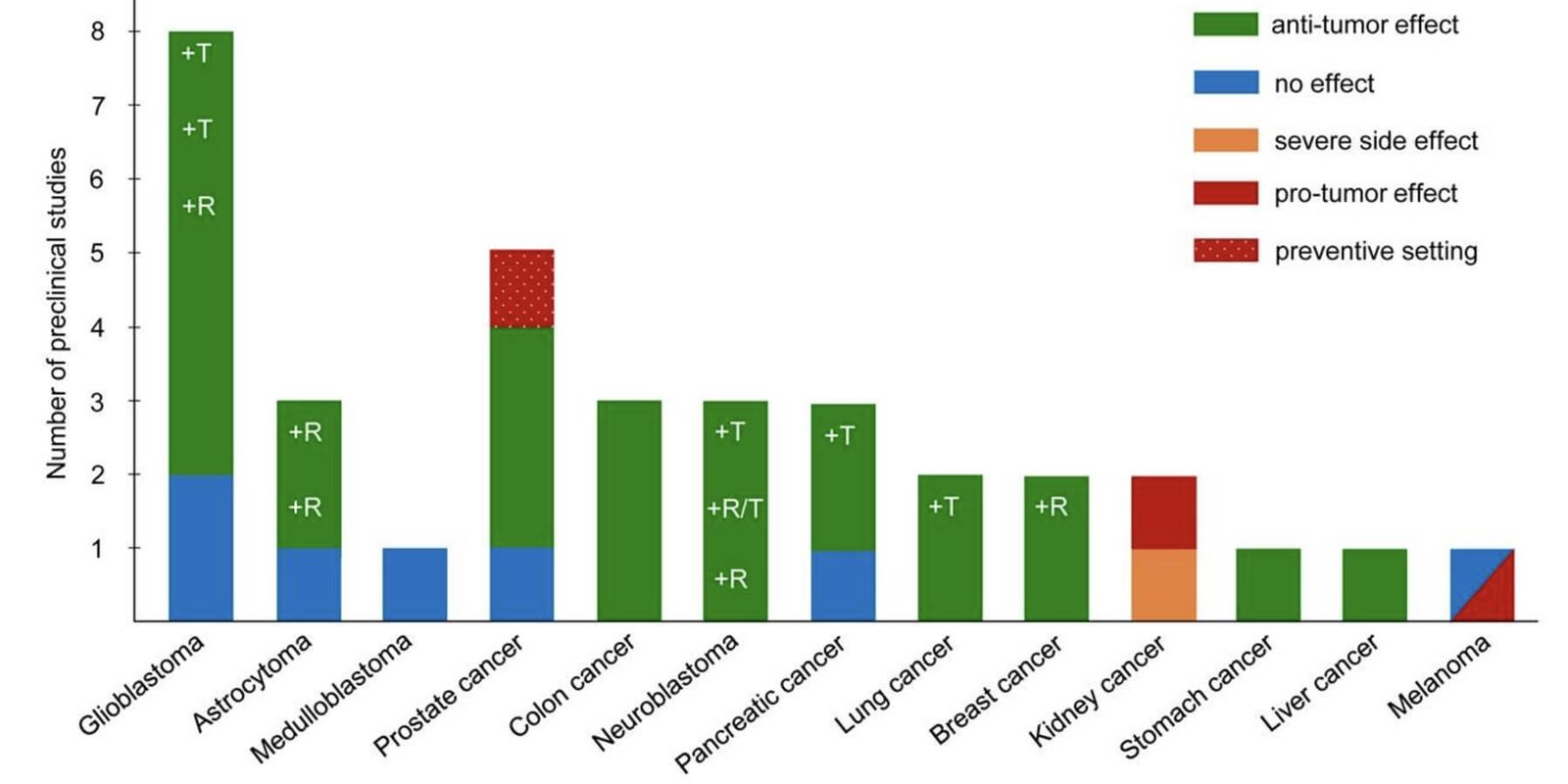
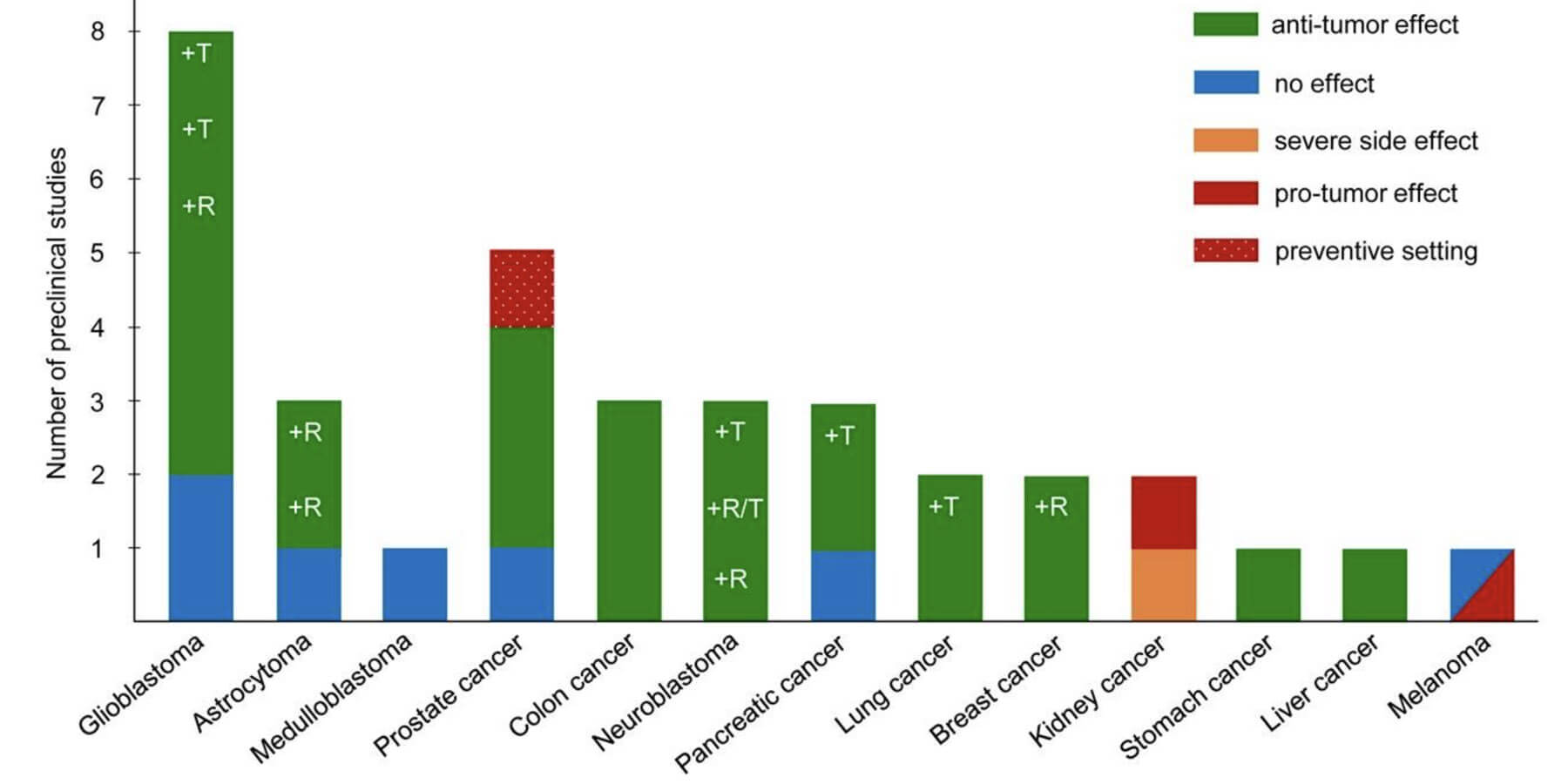
Most research to date is preclinical or early‑phase: for example, an animal study of neuroblastoma showed slower tumour growth and longer survival on a ketogenic regimen (study). There are also increasing numbers of preclinical investigations exploring keto as an adjuvant (supporting) therapy for glioblastoma, prostate, colon, pancreatic and lung cancers, but the strength of evidence varies by cancer type and most findings remain experimental (review).
Important caution: ketogenic diets are not a substitute for standard cancer care. If you or a loved one is undergoing cancer treatment, discuss any dietary changes with the oncology team — they can advise on safety, timing and whether a ketogenic approach might be considered as part of a supervised clinical protocol.
Read more about cancer and keto here.
The Final Word
Bottom line: the ketogenic diet offers a range of evidence‑backed health benefits — from metabolic improvements and weight loss to better blood sugar control, reduced inflammation and promising effects for heart and brain markers. Research is still evolving, but the diet may be a powerful tool for people aiming to reduce disease risk and improve long‑term health.
If you’re tempted to try keto, take sensible steps: check baseline tests (lipids, HbA1c, blood pressure), set realistic goals, and work with your GP or a registered dietitian — especially if you have diabetes, heart disease or are taking medication. Personal monitoring and medical input make the diet far safer and more effective.
Next steps: try our Keto Cookbook to see some of the exciting food you can eat, bookmark the references below, and consult your NHS clinician before making major changes. For further reading and the studies cited in this article, see our references and resource hub.


2 Comments